

Who is JNIM? Meet the Jihadists Taking Over West Africa
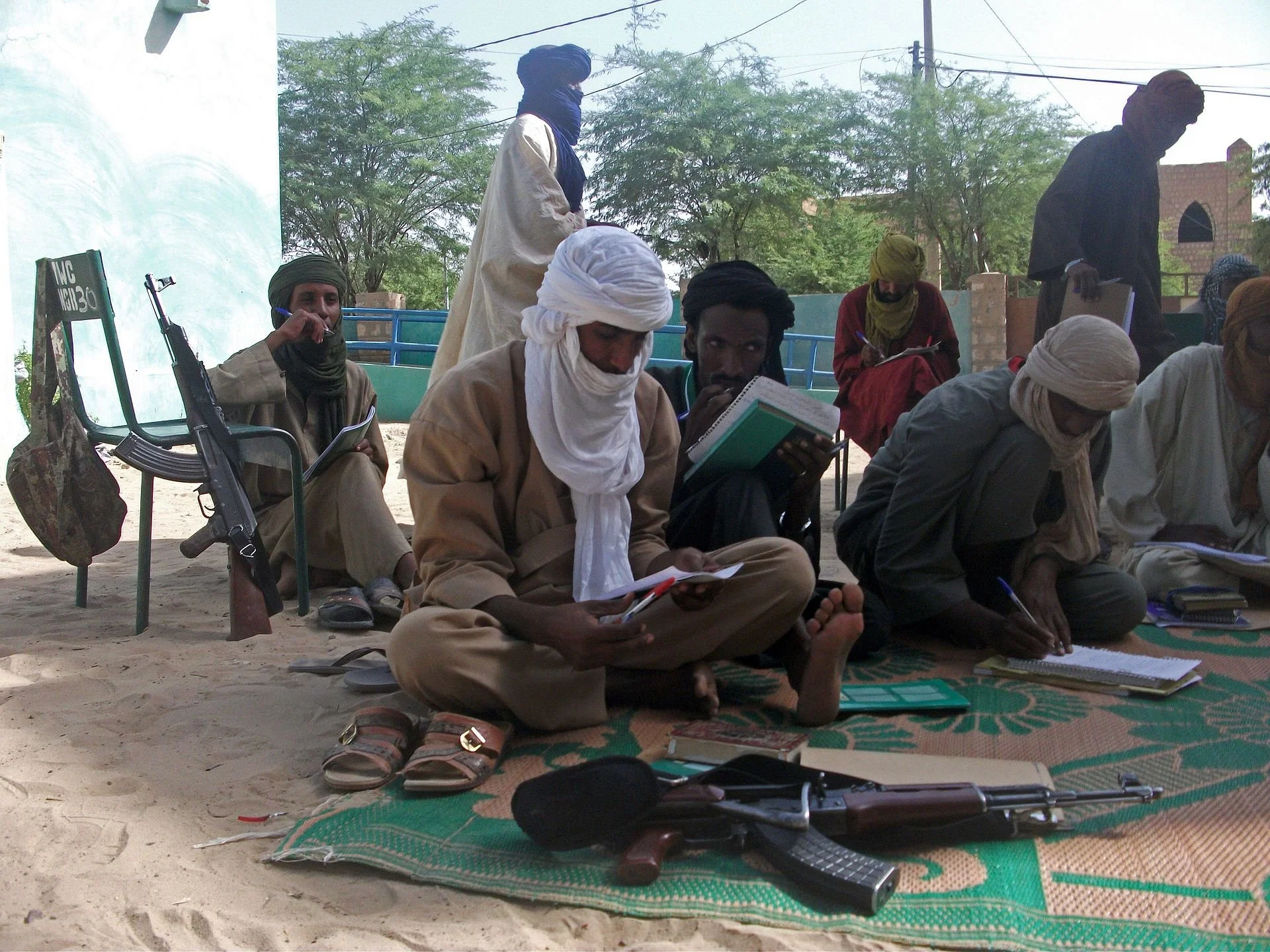
Jihadists in northern Mali, 2013
The global epicenter of terrorism is not the Middle East — it is the Sahel region in Africa, spanning from Mauritania in the West to Eritrea in the East. The Sahel has been designated the hotspot for terrorism since 2023 due to one group: Jumaat Nusrat ul-Islam wa al-Muslimin (JNIM), also known as the Group for the Support of Islam and Muslims in English, an Al-Qaeda affiliated coalition of jihadist groups founded in Mali.
Though most Western audiences are unaware of JNIM, they are the fastest growing militant organization of this decade, operating in six countries and perpetrating 77,000 killings since 2019. JNIM has been successful in seizing and occupying land, governing large swaths of Mali, Niger, and Burkina Faso. Now, they are close to overthrowing Mali’s military government and establishing an Islamic caliphate in West Africa.
JNIM is a coalition of four jihadist groups: Ansar Dine, al-Mourabitoun, Katiba Macina and a branch of al-Qaeda in the Islamic Maghreb. In March 2017, the groups’ leaders publicly announced their allegiance to al-Qaeda’s leader, birthing an organization that would snake through West Africa in a matter of years.
Flag of JNIM
JNIM’s influence began in January 2012: the start of the Mali War. The Tuareg, a semi-nomadic Berber people, launched their fourth rebellion in Mali’s north, led by a group called the National Movement for the Liberation of Azawad (MNLA). With stronger arms, organization and alliances than its predecessors, the MNLA was able to take control of major cities in the north by the end of April, including Kidal, Timbuktu and Gao. The unrest also triggered a military coup in March, ending civilian rule in Mali.
However, the MNLA’s triumph was cut short after the group splintered into opposing factions. Tuareg leader Iyad ag Ghali formed the jihadist group Ansar Dine, which soon became an enemy of the secular MNLA. Ansar Dine defeated the MNLA in this struggle and moved quickly to implement its interpretation of sharia law in northern Mali. With assistance from the French, the Malian government continued to fight and negotiate with the jihadists in the north, while neighboring nations like Burkina Faso grew unstable. All of this culminated in March 2017, when Iyad ag Ghali went from being the leader of Ansar Dine to the founder and chief of JNIM.
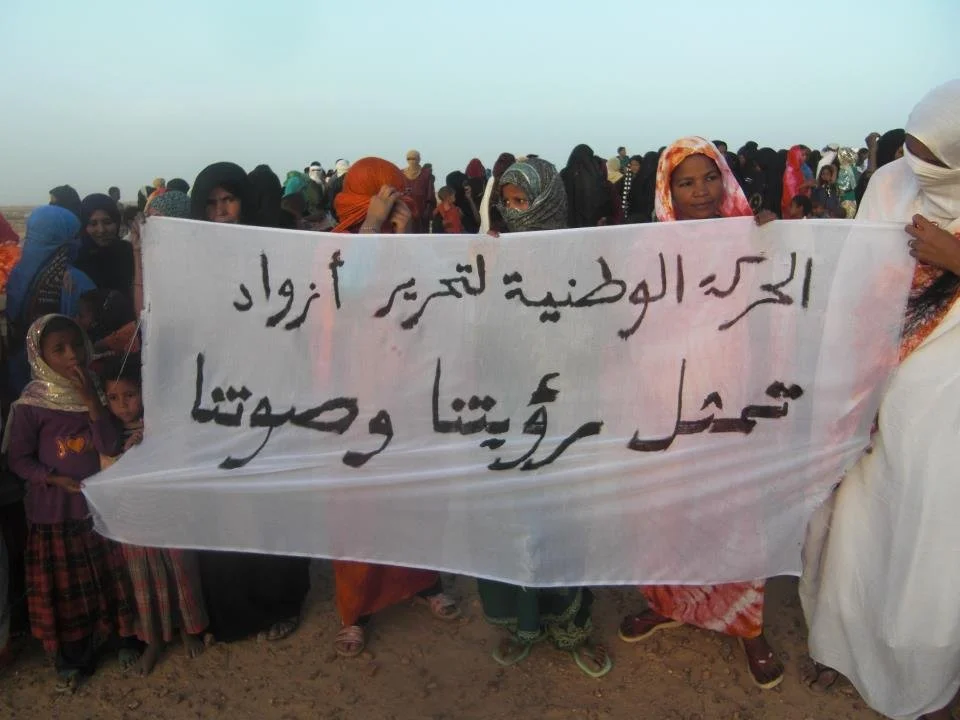
Timbuktu residents protesting against Ansar Dine in October 2012
JNIM has been on the warpath ever since, conquering land spanning numerous nations in West Africa. A movement that was once confined to northern Mali has crept into six nations; in Burkina Faso, a country of 22 million, JNIM controls a staggering 60% of the land. In 2024, JNIM perpetrated 85% of Jihadist violence in the Sahel. These numbers are likely to grow, with JNIM doubling its attack count from 2024 to 2025.
The jihadist coalition has been able to achieve these remarkable results through strategies like wealth accumulation and alliance building. JNIM makes its money through myriad channels: kidnapping for ransom, drug trafficking, migrant trafficking, tax-collection in conquered territory and illicit gold-mining. Gold mining is JNIM’s most profitable enterprise, with estimates placing possible revenues from gold mines at $34 million annually. Kidnapping for ransom has also been lucrative; the UAE doled out a $50 million ransom to JNIM for hostages. The group may be bringing in as much as $100 million a year in revenue.
Another lever that JNIM has pulled on is alliance building. JNIM’s leaders are Tuareg, Fulani and Arab, hailing from countries across the Sahel. This has allowed the group to partner with the secular Azawad Liberation Front (FLA) in Mali, win over Fulani pastoralists who face prosecution from state governments and capture both Islamic and anti-imperialist sentiments. JNIM’s “big tent” structure affords it flexibility and decentralization, making it a formidable foe for Sahelian states.
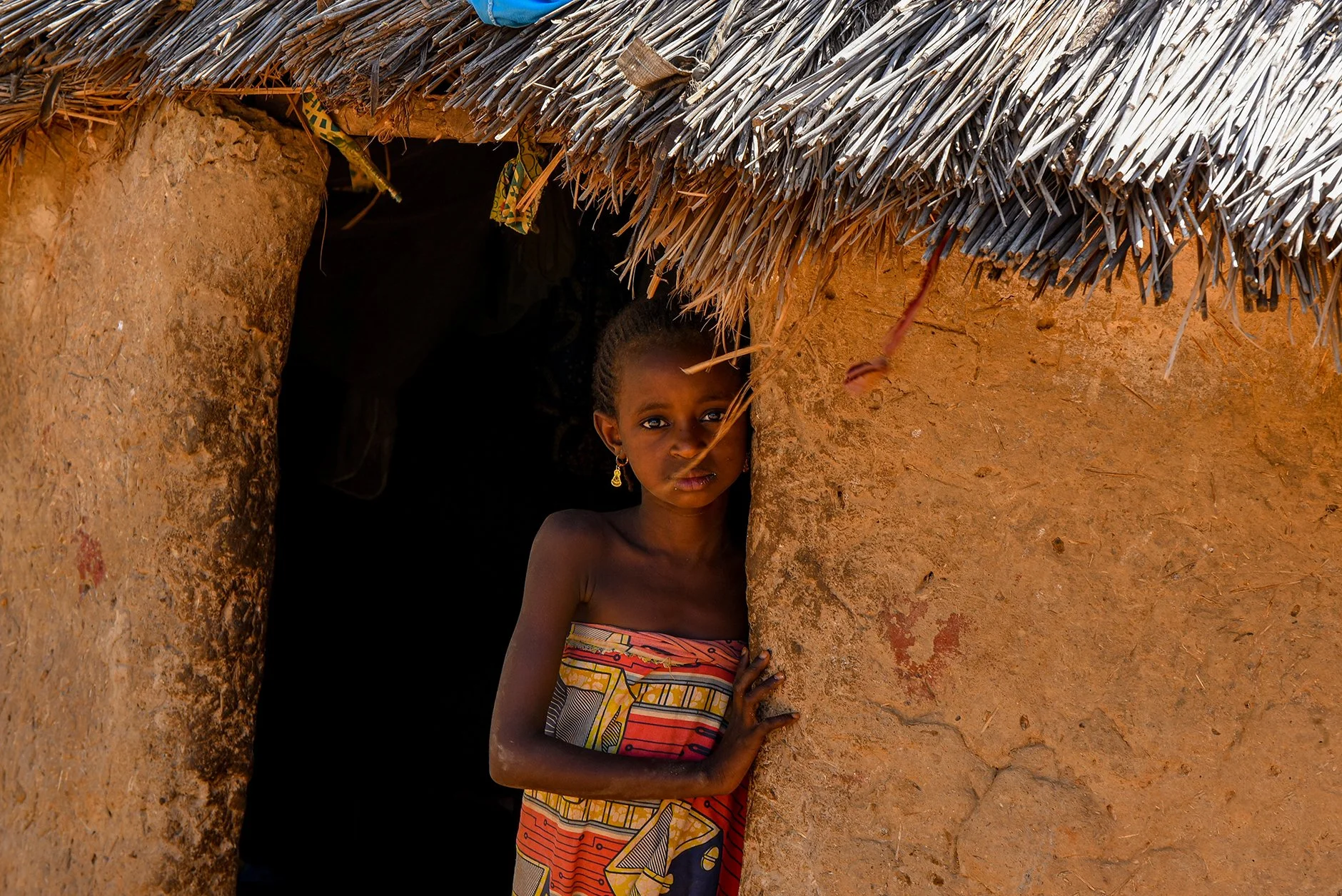
A young Fulani girl in Kebbi State, Nigeria
JNIM’s march through the Sahel has fundamentally reshaped the politics of the region. Affected populations lost trust in their government’s ability to manage the escalating security situation, resulting in a string of military-led coups d’etat across West Africa. There have been seven successful coups in the region since 2019, with military leaders eschewing their French partners for Russians and operating under anti-jihadism and anti-Western imperialism.
Unfortunately, the shift in leadership from civilian to military, combined with the shift in international partnership from French to Russian, did not halt JNIM’s rise. The group grows closer to toppling the Malian government, profiting from its partnership with the FLA. In November 2025, the group moved from Mali’s hinterlands to lay siege to the capital of Bamako, preventing the entry of fuel and food for months.
The situation has escalated since the blockade. The JNIM-FLA alliance launched a fresh offensive at the end of April, running roughshod over Malian and Russian security forces. The rebels killed Mali’s defense minister and seized strategic cities like Kidal and Gao, forcing state and Russian forces to retreat. The capture of these cities, in conjunction with attacks against an airbase near Bamako, cut off lines of communication between central and northern Mali and denied the Malian government’s ability to send ground or air reinforcements.
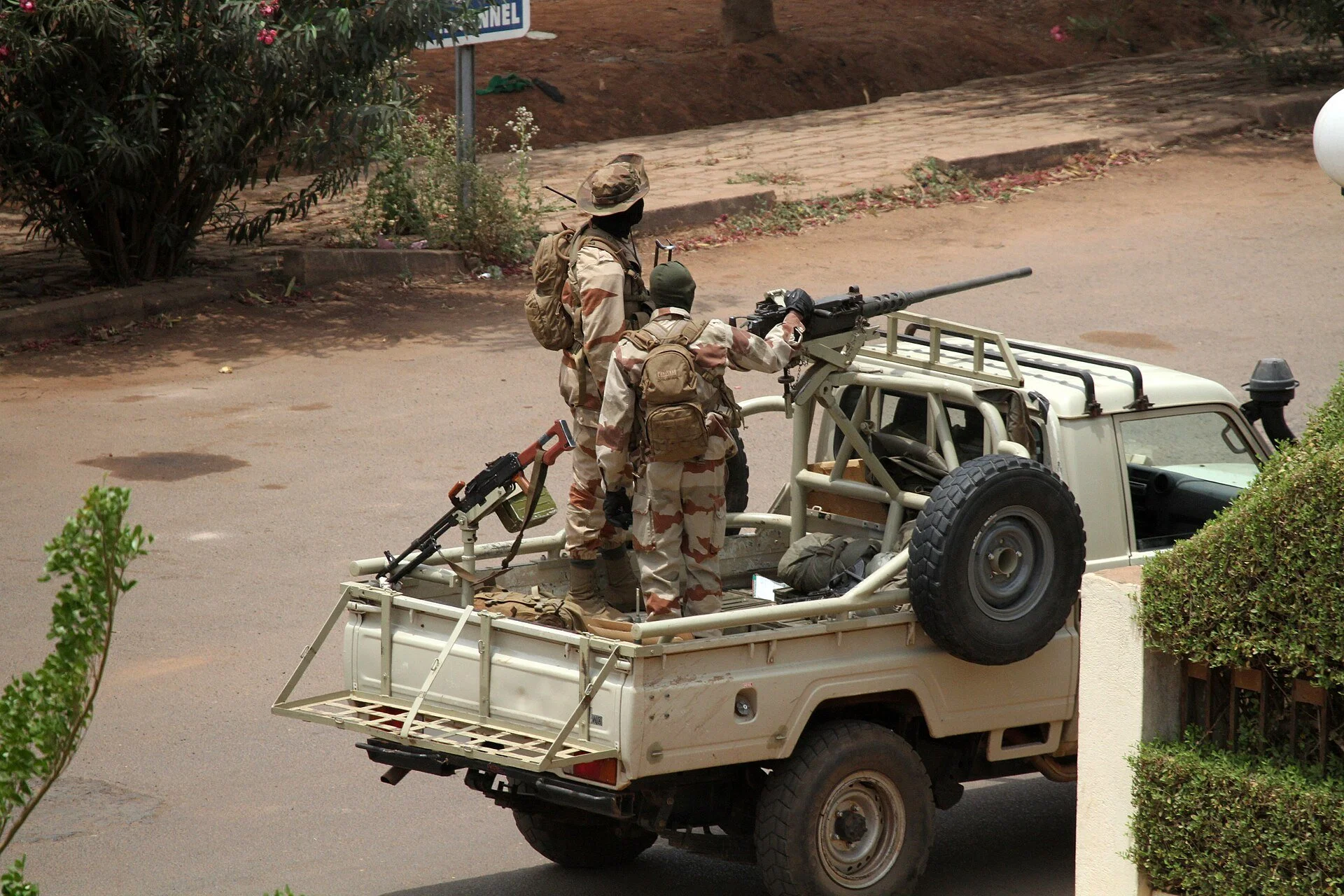
Malian soldiers during the 2012 coup d’etat
These defeats have triggered a political crisis in Mali, with internal reports suggesting a high possibility of another military coup. JNIM also seems to be serious about taking the capital, resuming the blockade. Like the militant group Hay’at Tahrir al-Sham (HTS), which took over Syria, JNIM has distanced itself from Al Qaeda, relaxed its ideological tone in public statements, reduced kidnappings and attacks against civilians and compromised with the FLA to share governing power. Despite its recent successes and efforts to gain legitimacy, JNIM still faces major obstacles, including its small size of about 6,000 members, rivalry with the Islamic State in the Greater Sahara (ISGS) and lack of legitimacy with urban Mali and the Bambara community.
JNIM’s historical success and adaptability make it a serious threat to Mali and the rest of West Africa. The capital of Bamako is Mali’s biggest city by far, with over 4 million people and 90% of the country’s businesses. If JNIM succeeds in taking Bamako, it will have control of the entirety of Mali, significantly improving its regional standing and bolstering both its confidence and capability in the rest of West Africa. A JNIM-led government in Mali will bring serious consequences, including the exacerbation of illicit mining, regional instability and migrant crises. Regional and international efforts to develop robust counterterrorism frameworks and engage militant leaders diplomatically must be taken to stem this growing threat.
All images sourced from Wikimedia Commons under Creative Commons 4.0 License
