

Why Won’t Iran Reopen the Strait of Hormuz?
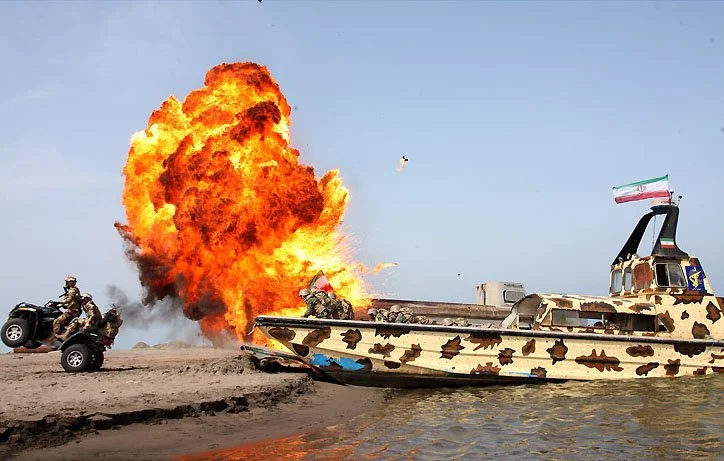
Islamic Revolutionary Guard Corps naval exercise in the Strait of Hormuz, February 2015
Back in early April, after Iran closed the Strait of Hormuz, I wrote an article explaining that it was going to be very difficult for the U.S. to reopen the strait. In brief, the strait and the ships that pass through it are too valuable and too vulnerable to risk sailing into waters where they might be hit by drones or mines, and those drones and mines are too cheap, too numerous, and too close to Iran for a military operation to protect them. I argued that for these reasons, the only option the United States had to open the strait was to negotiate with the Iranian regime.
The Trump administration has tried. On numerous occasions, an agreement between the United States and Iran has been teased, proposed, or even formally announced. In each case, those agreements have failed. Ultimately, the reason for the failure of these negotiations is simple: The Iranians have certain demands that they insist must be met for them to reopen the Strait, and those demands are politically and strategically unpalatable for the Trump administration.
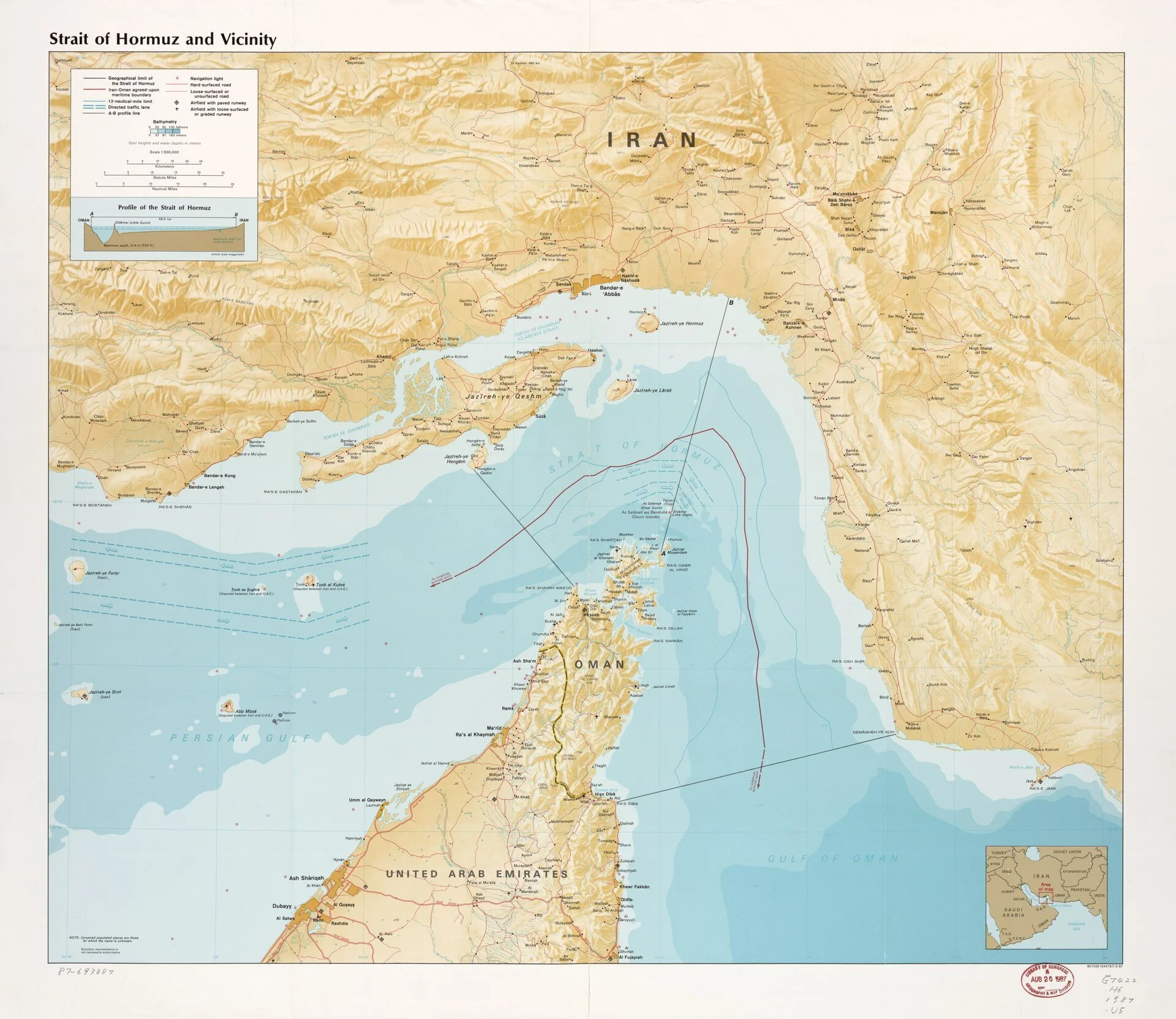
Map of the Strait of Hormuz
Less than a week after my original article, the United States received the Iranian demands for reopening the strait, which included:
Iranian control over the Strait of Hormuz
U.S. accession to Iranian nuclear enrichment
Withdrawal of U.S. combat forces from the region
Lift of all U.S. sanctions placed on Iran
U.S. reparations payments to Iran
Cessation of the war on all fronts, including in Lebanon.
Each round of “new” Iranian demands has functionally been a restatement or specification of these terms.
In June, the Islamabad Memorandum of Understanding, the 14-point peace agreement signed by President Donald Trump and President Masoud Pezeshkian, brought the two countries closer to peace than at any point before or since. The agreement denoted that Iran would be able to toll the strait (after a 60-day grace window, and in coordination with Oman—the negotiations between Iran and Oman on this issue are ongoing). It also left the question of enrichment open, but implied that Iran would eventually return to terms not dissimilar to the Obama-era Joint Comprehensive Plan of Action, which permitted Iran to retain enrichment for civilian purposes.
The Memorandum failed largely because Iran insisted on retaining control — and thus the ability to toll — over when and how ships transited through the strait, and attacked ships which did not respect that control. Therefore, it appears that negotiations to open the strait will, at minimum, require the U.S. to make concessions, and among those concessions will be Iranian control over and tolling of the strait. This leaves the United States with three basic options:
The first option is to make painful concessions on Iranian tolling of the strait.
The second option is to attempt to change its positioning through a military escalation.
The third option is to continue the mutual blockade of the strait.
These are all terrible options.
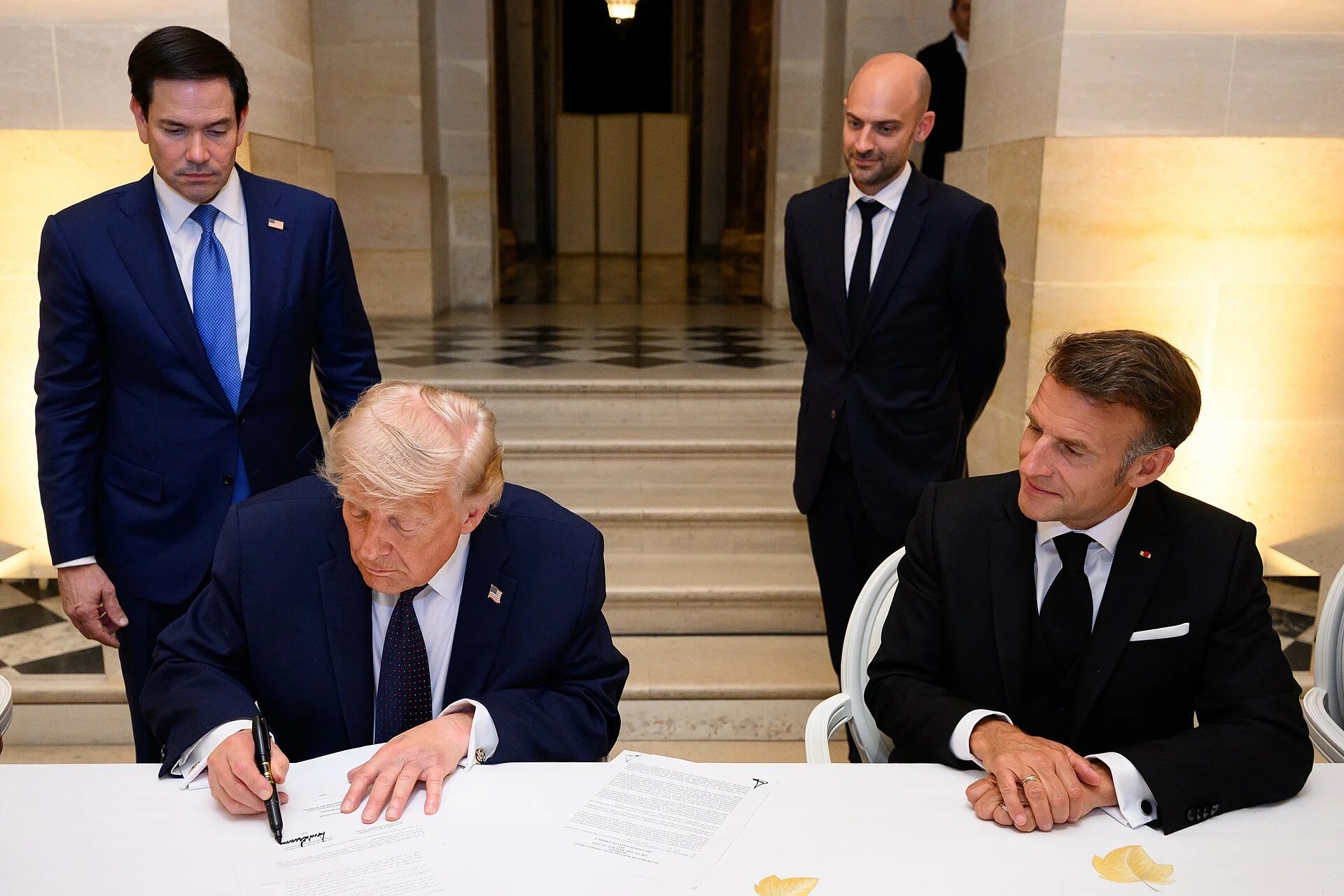
President Trump signs the Memorandum of Understanding at the Palace of Versailles, June 2026
Making a concession on tolling has two serious problems. The first is that Iran’s extremist government would gain access to a brand-new source of revenue, one potentially worth billions every year, which it could use to invest in more drones, more missiles, more regional instability and more domestic repression.
The second problem is that there’s no guarantee that any concession would be enough to persuade the Iranians to cooperate. There are hard-line factions inside Iran that are not interested in making peace with the United States and are more concerned with imposing pain on the American public and Trump. To do so, they are looking to the past for instruction: Iran refused to deal with President Jimmy Carter after Carter gave sanctuary to Reza Pahlavi, preferring to end the hostage crisis only after Carter left office and was replaced by President Ronald Reagan, having imposed the maximum amount of political harm on Carter. Iranian hard-liners may similarly refuse to make any lasting deal with Trump until after they believe they have inflicted a comparable degree of harm to him.
A military escalation is even more troubling to contemplate. Iran is a massive country with a population of about 90 million people—about double the population of Iraq. Even with extensive military intervention, it would be difficult to persuade shipping companies to risk sending their ships and cargoes through the strait for all the reasons I detailed in April. So even if there were a major invasion, there would be no return to the previous normal operating conditions.
But if we can’t negotiate, and we can’t use force, the strait stays closed. The economic harm from closing the strait is hard to quantify, but the U.S. Strategic Petroleum Reserve continues to dwindle, reaching a 45-year low this week. When he signed the Memorandum of Understanding, Trump explained the extreme risk of not having a deal: “We run out of reserves… we would really run out and there’ll be a time when you wouldn’t be able to get [gasoline]. And do you really want to see bedlam?”
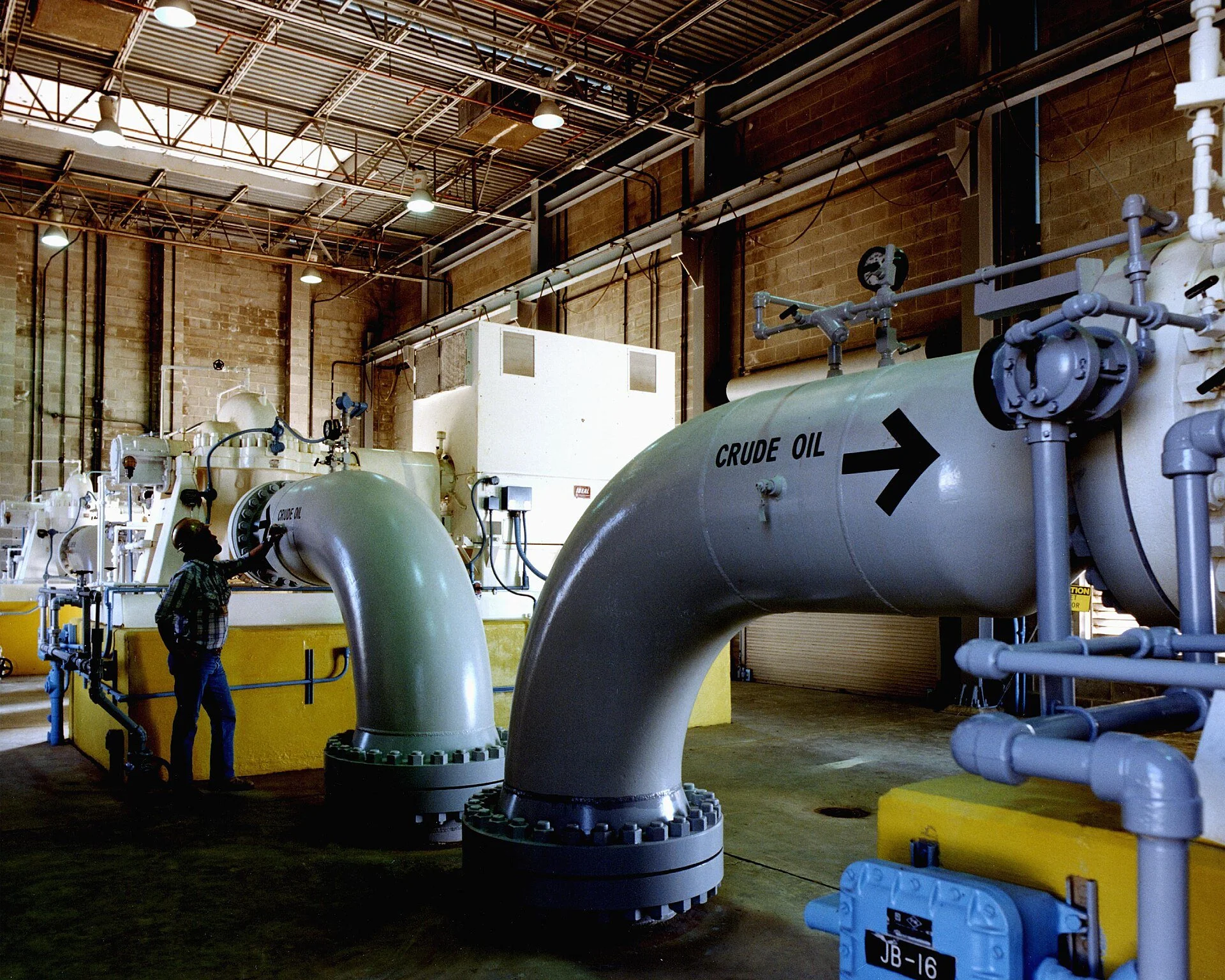
Crude oil pumps at a strategic petroleum reserve facility in Weeks Island, Louisiana
This leaves us in a position where we have no choice but to negotiate while also needing to prepare for the failure of those negotiations. The latter is something we should be doing anyway. That we are in this position represents a failure of both imagination and five decades of American foreign policy. Even if we can get the strait open today, we must be prepared for Iran to close the strait again tomorrow. Never again should the American economy rely on a quirk of geography that is so close and so vulnerable to an American adversary.
There is some small reason for optimism. Iran’s leverage will eventually diminish: If the United States can weather the short-term harms, Middle Eastern countries are working hard to develop infrastructure to facilitate exports of oil along alternative routes, though it will take time for these routes to be fully established and they will likely never match Hormuz’s output. Additionally, the United States is not the only country harmed by the ongoing standoff. Iran is suffering from the crisis, too, giving them a growing incentive to end the conflict.
Eventually, the American administration will be willing to make the necessary concessions, and the Iranian regime will be willing to accept them. Until then, both the American people and the American government need to be prepared for this crisis to continue.
All images sourced from Wikimedia Commons under Creative Commons 4.0 License