

Iran to Trump: Come and Take It
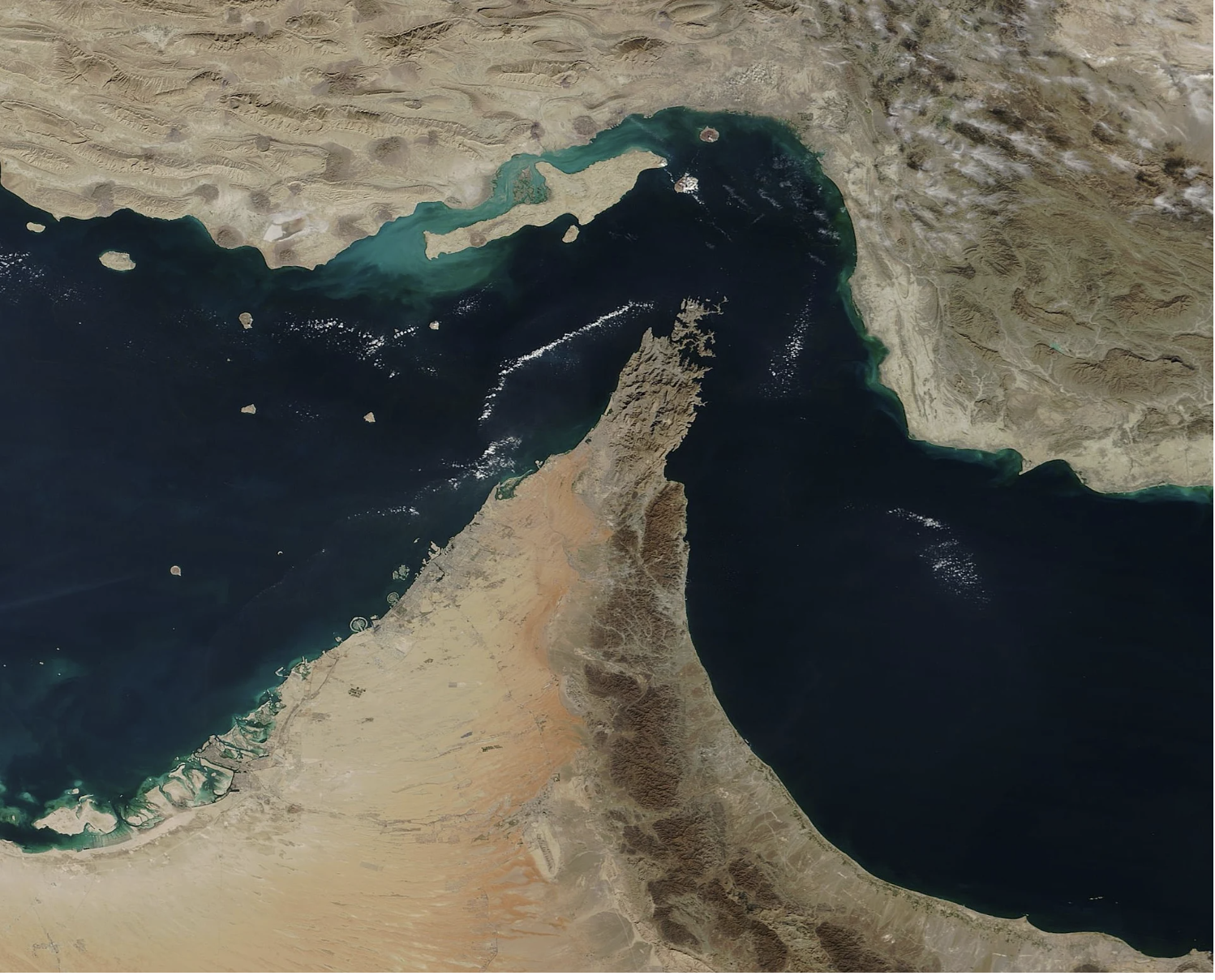
The Strait of Hormuz and the Musandum Peninsula
A recent escalatory spat between Iran and the United States ended poorly for the Trump administration. Last Saturday, President Trump threatened to bomb Iranian power plants if they refused to reopen the Strait of Hormuz within 48 hours. In response to the ultimatum, the Iranians threatened to strike desalination plants and energy infrastructure in the Gulf states. Such an attack would be catastrophic to our allies in the Gulf, with Qatar deriving 99% of its drinking water from desalination plants. In this game of geopolitical chicken, America swerved first. Claiming that productive negotiations were underway to end the war, Trump withdrew his ultimatum against Iran’s energy infrastructure. It is likely that the president is overstating the possibility of a quick peace through diplomacy; to the contrary, this episode may only embolden Iran.
Although the Trump administration claims that negotiations to end the war are in full swing, statements from Iran cast doubt on their validity. Though some Iranian officials have reported that intermediaries are in talks regarding de-escalation, there is no reason to believe that Iran intends to suspend conflict at this moment. Both Iranian Parliament Speaker Mohamed Ghalibaf and Iranian Foreign Ministry spokesman Esmaeil Baghaei have flatly denied Trump’s claims of US-Iran talks. Ghalibaf’s claims are especially important, as he will likely act as chief negotiator for Iran during potential talks with the US.
Iran has been committed to continuing the war effort and seeking revenge against the US and Israel. Just today, Iran fired another wave of strikes against Israel and the Gulf states. The new Supreme Leader, Mojtaba Khamanei, declared that it will not be “the right time for peace until the United States and Israel are brought to their knees.” Given that he lost much of his family to the US-Israel attack, the Iranian leader’s defiance and anger is unsurprising. Acquiescence to a negotiated settlement after strategic success, on the other hand, would be an astonishing reaction.

Mohammad Bagher Ghalibaf pictured in Tehran
This would not be the first time that President Trump has made dubious claims about negotiations to support his agenda. For example, Trump has boasted that he prevented war between India and Pakistan on numerous occasions, despite India’s insistent denial of American involvement. There are also powerful incentives motivating Trump to overstate negotiations with Iran—it allows him to back out of his ultimatum without losing face, while calming oil markets at the same time. Indeed, oil prices plunged immediately after Trump’s claims of negotiations. In the words of Iranian Parliament Speaker Ghalibaf, “No negotiations have been held with the US, and fake news is used to manipulate the financial and oil markets.”
Perhaps President Trump believed he could simply sing negotiations into existence, as he appears to have done during the 12 Day War last June. Before either Israel or Iran confirmed a cessation of hostilities, Trump unilaterally announced on social media that a ceasefire had been brokered, christening the conflict “the 12 day war.” Both countries violated the ceasefire soon after it was announced, but under Trump’s pressure, they chose to take the off-ramp from conflict. It is doubtful that this war can be wrapped up so neatly, given that each side’s demands are intolerable to the other.
To convince Iran to cease hostilities, the US and Israel would likely have to agree to demands that would be considered humiliating and detrimental for security. Iran’s current demands include massive reparations for war damages, effective control over the Strait of Hormuz, and strong security guarantees, with flexibility regarding their ballistic missile and nuclear program, as well as the support they provide for regional proxies. Without serious concessions, Iran will not give up the fight—having been hit by the US-Israel tag-team twice in less than a year, there is not much trust to be lost between Iran and its chief adversaries. It is hard to imagine the US and Israel agreeing to these demands.
It is also possible that these negotiations are simply a farce intended to mask a coming military escalation. President Trump gave Iran a five-day deadline before strikes against energy facilities may commence; perhaps he will launch these strikes before that deadline expires in an effort to shock the Iranians when their guard is down. Israel employed this tactic with stunning effect during the 12 day war—using ongoing US-Iran talks as cover, Israel launched a devastating surprise attack that killed top Iranian military leaders and nuclear scientists. Currently, 1,000 US soldiers from the 82nd Airborne Division are set to deploy to the Middle East while negotiations are apparently happening. Is this pressure being applied to aid negotiation efforts? Or are the negotiations a contrived tactic serving a pre-planned military assault? Only those in the room where it happens can know for sure. Regardless, it is clear that Trump’s talk of negotiations is a largely rhetorical strategy to manage perceptions after a failed attempt to pressure Iran into reopening the Strait of Hormuz. The real danger is that the president’s concerns over saving face will preclude his ability to ever exit this war, even if it is abundantly clear that victory is impossible.
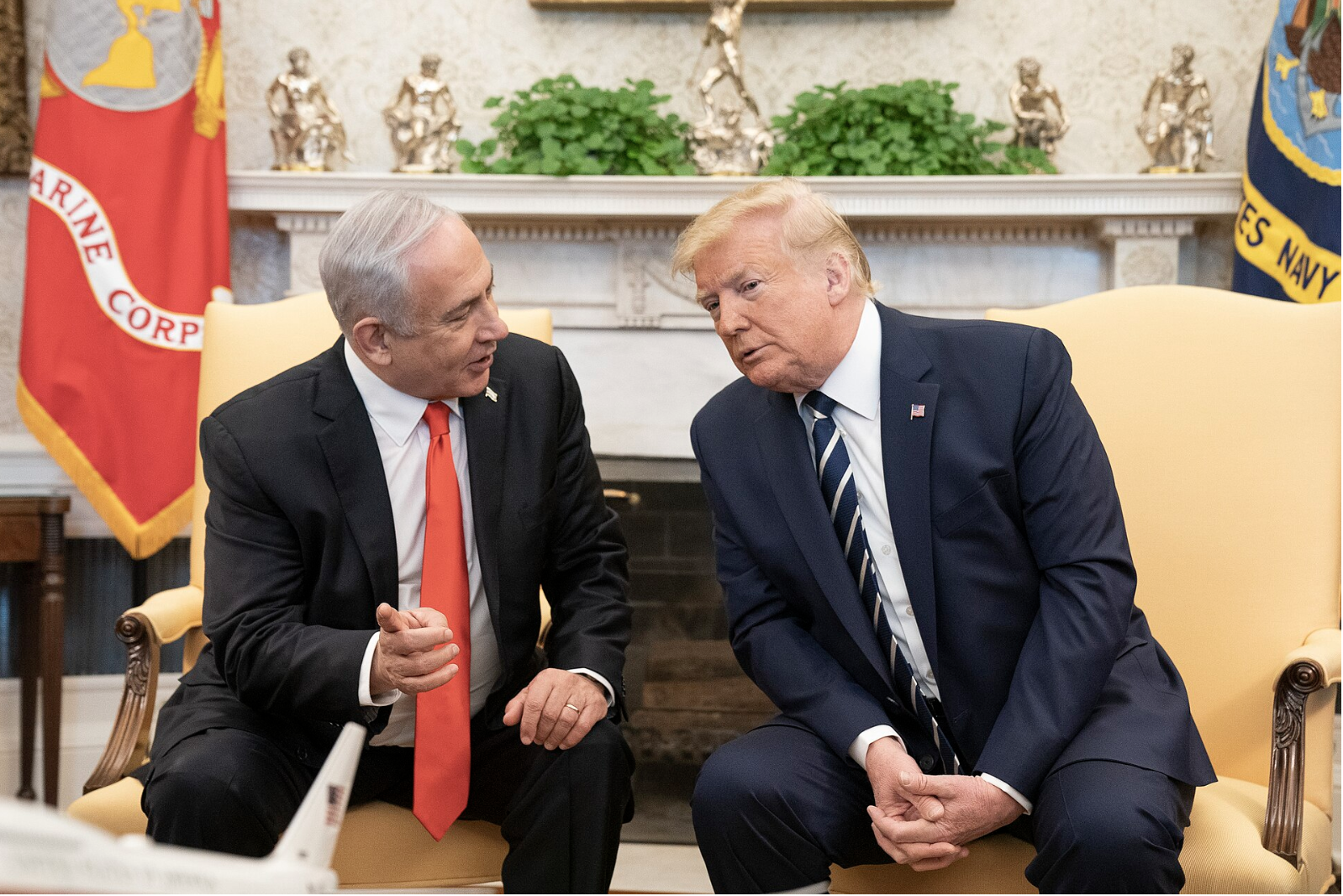
Benjamin Netanyahu meeting with Donald Trump at the White House
The US has a penchant for fighting unwinnable wars to avoid losing face; the most famous example is the Vietnam War, which chief American decision-makers knew was a lost cause years before its conclusion. With election season coming up, Trump will not want to fight the uphill battle of explaining away a lost war. The closure of military bases and further Iranian control over the Strait of Hormuz would also prove unacceptable to Israeli and American negotiators on the grounds of security. This is why Trump’s claim that the US has “major points of agreement” with Iran is hard to believe. Even if the Trump administration was more amenable to Iranian demands, it is highly unlikely that Israel would feel so inclined, given that Iran is at their doorstep and Prime Minister Netanyahu started the war expecting a long-haul. This puts the Trump administration in a sticky position: attempt to cut its losses and negotiate an end to the war quickly, or continue a costly, losing fight. To make matters worse, Iran’s confident and defiant attitude is likely to grow by the day.
One month of war has proven to Iran that they have powerful cards to play against the mighty US-Israel alliance, which may embolden them to pursue risky strategies and demand even greater concessions. The US and Israel have been rendered helpless against Iran’s control over the Strait of Hormuz, with the US lifting some sanctions on Iranian oil in a clearly desperate bid to reduce oil prices. Furthermore, Iran’s regime has survived aerial bombardments and critical leadership assassinations, strengthened their resolve rather than cowing them into submission. We need not look further than Foreign Minister Abbas Araghchi’s statement today for proof of Iran’s confidence: “Now, we have just one message for the American soldiers: Come closer.”
After their threat of escalation subdued Trump into withdrawing an ultimatum and requesting peace, Iranian decision makers must be feeling their oats. A more confident Iran may choose to further escalate the war, perhaps by loosening their restraint and striking desalination plants, in an effort to humiliate their adversaries and win greater concessions. Ultimately, the Trump administration faces a difficult choice: swallow the bitter pill of a desperate peace or continue a war of attrition that will take a tremendous toll on the world. If the US still has the privilege of choice, a decision must be made decisively and without delay.
All images sourced from Wikimedia Commons under Creative Commons 4.0 License
