

Israel’s Strategy in Lebanon is Hezbollah’s Best Recruitment Tool
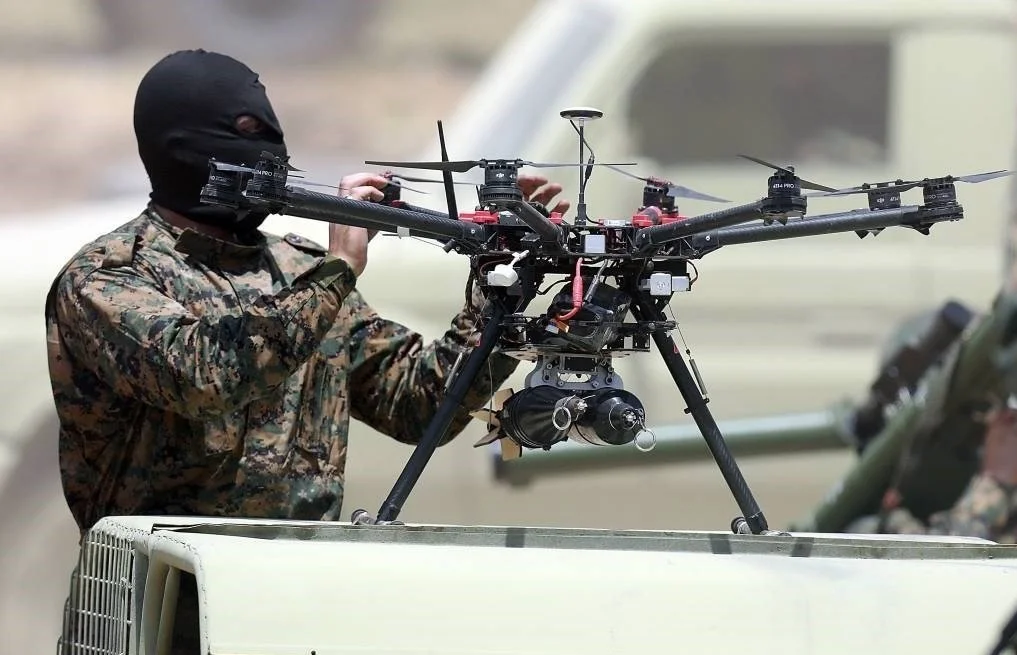
Hezbollah training exercise in Aaramta village in Jezzine District, Southern Lebanon, May 2023
Mark Dubowitz of Foundation for Defense of Democracies (FDD), a prominent pro-Israel think tank based in Washington D.C., published an article on June 8 urging President Trump to leave Lebanon out of US-Iran negotiations and allow unfettered Israeli military action against Hezbollah.
Dubowitz argues that the US and Israel must present a unified front, so the Trump administration should allow Israel to neutralize Hezbollah. Dubowitz claims that the Lebanese government even “quietly hopes Israel succeeds in weakening Hezbollah’s grip on the country.” However, tactical Israeli victories in the battlefield belie the reality of the situation. In the long term, military action empowers Hezbollah more than it damages them by turning Lebanese civilians against Israel.
Israel’s military is tactically competent as it has delivered effective strikes against Hezbollah. Israel crippled Hezbollah in 2024, destroying about “half of the missiles and rockets” the group developed over 30 years and killing Hasan Nasrallah, their leader of 32 years. The Chatham House wrote that Nasrallah’s assassination was a “devastating blow to [Hezbollah] — undoubtedly the worst in its history.”
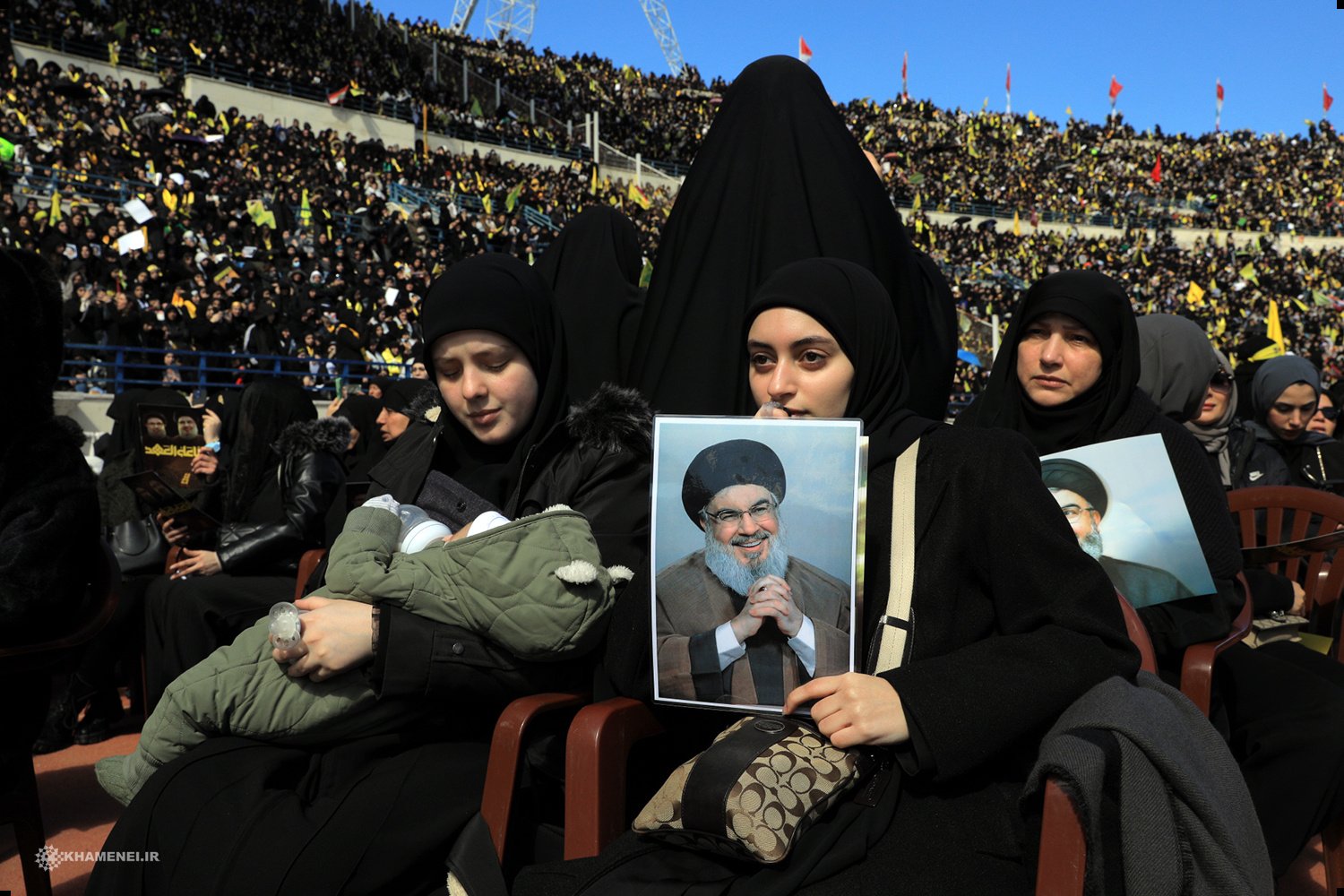
Funeral of Hassan Nasrallah in Beirut, Lebanon, February 2025
The Israeli foreign policy apparatus was confident in its position vis à vis Hezbollah before 2026. The prominent Israeli Institute for National Security Studies (INSS) called Hezbollah a “defeated force” in 2025 and advised the Israeli government to escalate military pressure against the group.
However, Hezbollah has battered Israel with rockets and FPV drones since March 2026, prompting the head of the IDF’s Northern Command to admit that Israel underestimated Hezbollah’s offensive capabilities. Though the Israeli government and their proponents at the FDD are likely to insist that doubling down on a military campaign is the answer, history and strategy suggest otherwise.
The key lesson to internalize is that tactical victories do not always translate to strategic victories. Prussian military strategist Carl von Clausewitz wrote that “war is a continuation of politics by other means.” To evaluate the success of a military campaign, then, decision makers should not focus solely on tactical gains or losses on the battlefield. They should assess whether those tactical victories actually help achieve the state’s political objectives. Neglecting political outcomes in favor of battlefield performance is tantamount to killing every ant in sight but leaving a puddle of spilled honey on the counter. You may win the battle, but you will lose the war.
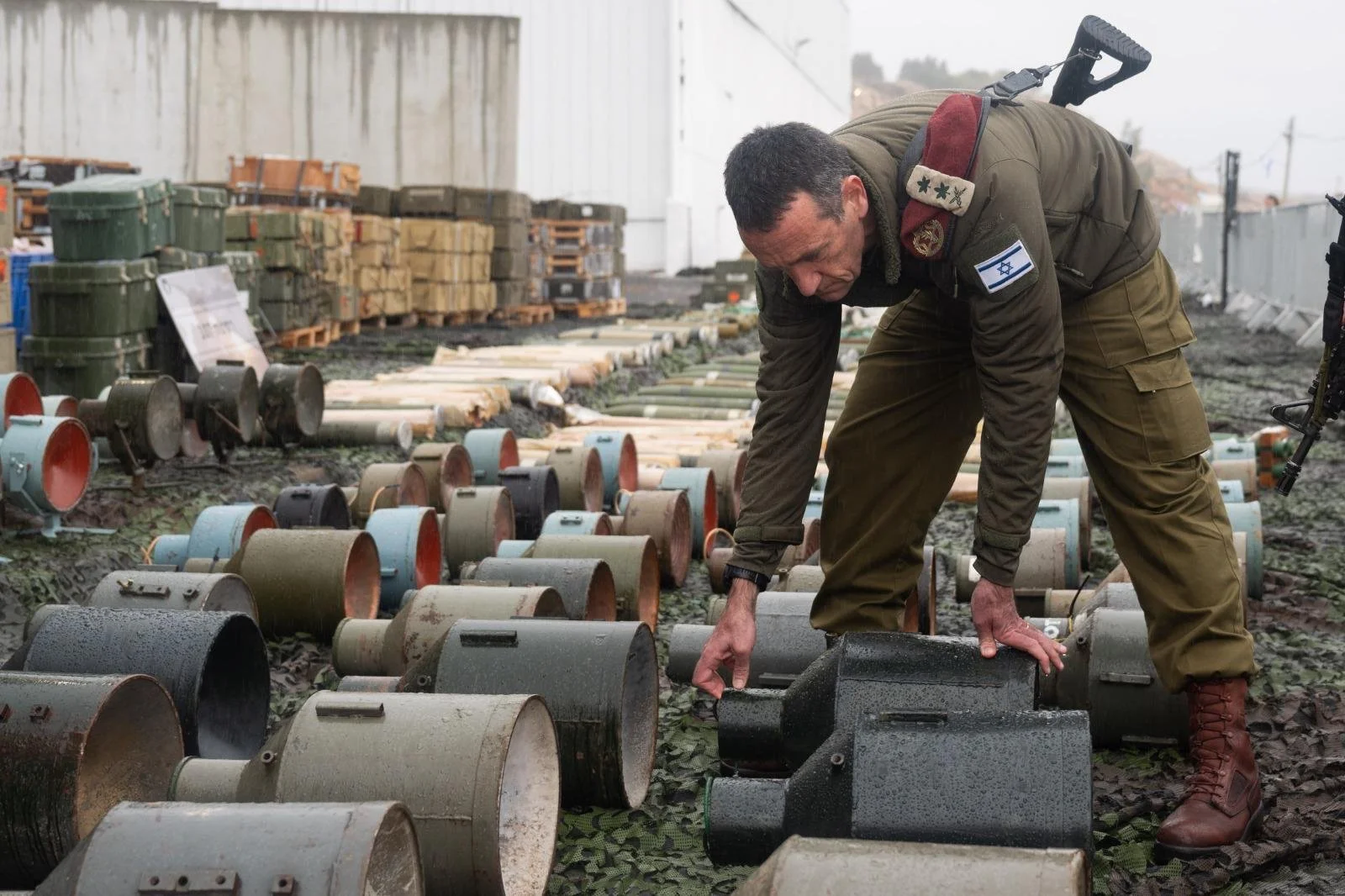
Hezbollah weapons captured by the IDF, December 2024
This is the dilemma that Israel faces in its struggle with Hezbollah — over the last forty years, it has won many battles, but it is losing the war because Hezbollah’s influence over Lebanon has only grown over time.
Israel’s political objective in Lebanon is to force Hezbollah into unconditional surrender. Israel considers Hezbollah to be a terrorist organization harboring genocidal intent, a group that cannot be reasoned with and with whom they can never reach a diplomatic agreement. This framing has motivated Israel to routinely “mow the grass” and militarily degrade Hezbollah at every opportunity. However, even under this uncompromising framing, the military option is counterproductive.
The raison d’etre of Hezbollah has historically been foreign occupation. Lebanon carries a heavy legacy of foreign occupation, spanning from the French to the US and Israel. Hezbollah itself was born of the Israeli invasion of Lebanon in 1982, pledging to fight until it achieved “Israel’s final departure from Lebanon…and the termination of the influence of any imperialist power in the country.” Hezbollah’s founding purpose and rallying cry has been nationalist sentiments of freedom from Western and Israeli occupation.

Anti-Israel protestors in Oslo carrying the flags of Lebanon and Hezbollah, January 2009
This is not unique to Hezbollah. University of Chicago political scientist Robert Pape, who compiled the first comprehensive database of every suicide bombing campaign from 1980 to 2003, found that every single one was driven by the same objective: compelling a foreign military force to withdraw from territory the attackers regarded as their homeland. Pape concluded that "modern suicide terrorism is best understood as an extreme strategy for national liberation against democracies with troops that pose an imminent threat to control the territory the terrorists view as their homeland." In other words, so long as Hezbollah can mount a persuasive argument that such an Israeli occupation of the Lebanese homeland exists, young Shiites in Lebanon will continue to join Hezbollah, and the group will never disappear.
To that end, Israeli military operations in Lebanon weaken Hezbollah militarily but strengthen them politically. From March to late April, Israel killed 2,489 people, injured 7,719, attacked civilian healthcare infrastructure, contaminated food supplies and displaced 20% of the entire Lebanese population. On April 8, Israel killed 303 people in dense residential neighborhoods in the span of just 10 minutes — right after the ceasefire was announced. These incidents make it very easy for Hezbollah to win support and very difficult for the Lebanese government to push for diplomacy. It would not be surprising if many of the civilian victims chose to support Hezbollah after being victimized by Israeli policy. This logic explains why Western intelligence reported in 2025 that “Hezbollah is rebuilding faster than the Lebanese army is dismantling” them.
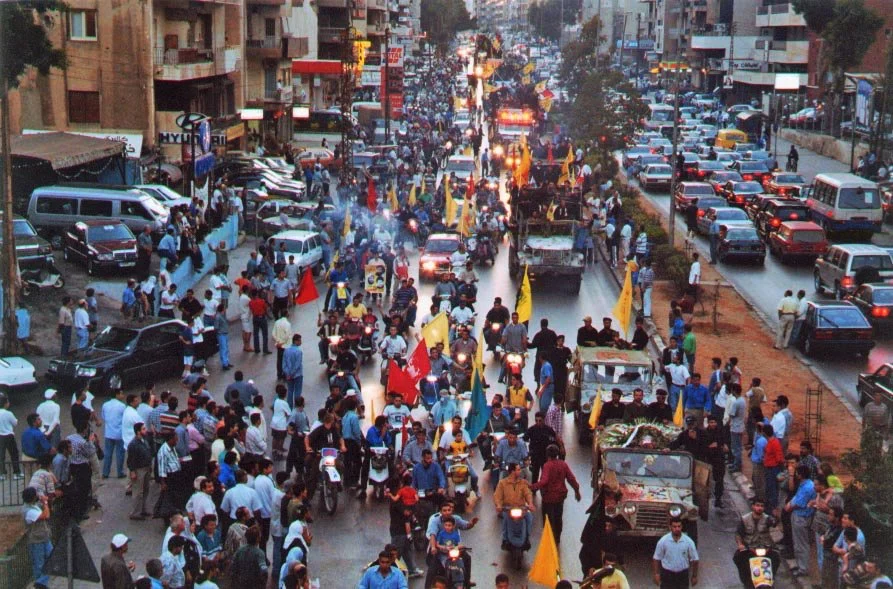
Hezbollah parade following the end of Israeli occupation in Southern Lebanon, May 2000
Israeli military action effectively functions as a free recruitment tool for Hezbollah and undermines the Lebanese government, which seeks peace with Israel. Between a November 2024 ceasefire to late February 2026, the Lebanese government reported 15,400 Israeli ceasefire violations. By inflicting punishment on Lebanese civilians even during a supposed ceasefire, Israel adds fuel to Hezbollah’s argument that militancy is the only answer.
Israel can pound Lebanon with airstrikes, kill every Hezbollah commander on the surface of the earth and destroy their drone and rocket stockpiles. In doing so, it may weaken Hezbollah’s ability to retaliate in the short term. But in the long term, it is likely to strengthen the political logic that underlies Hezbollah’s very existence and replenish their pool of fighters.
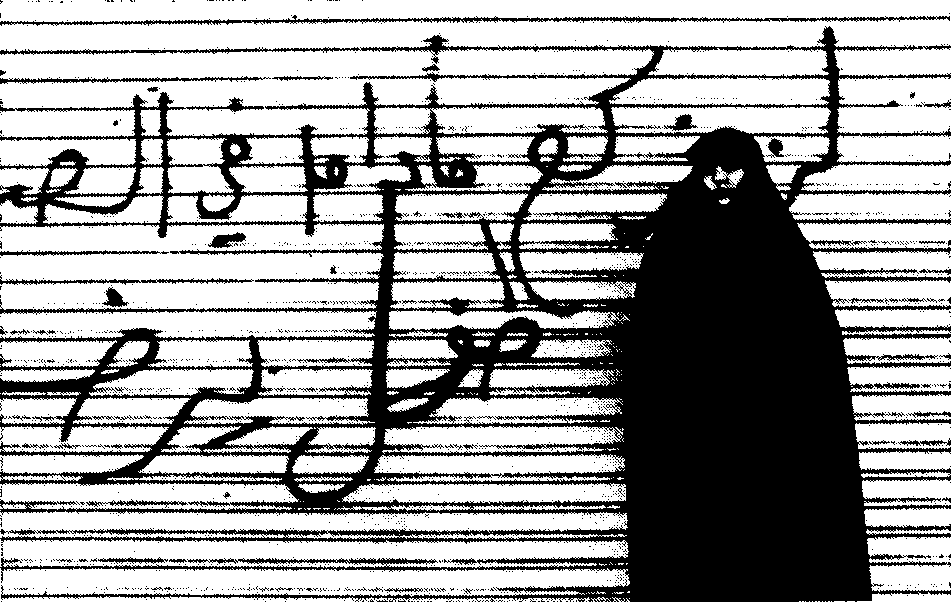
Shia woman stands beside Hezbollah slogan in southern Lebanon, October 1985
It is understandable why Israelis consider Hezbollah an existential threat; in their 1985 open letter, Hezbollah wrote that their objectives include Israel’s “final obliteration from existence.” But if Israel truly wants to see Hezbollah gone, it must eliminate the group’s future ranks — not just its current members. That can only be done if the argument for Hezbollah’s existence itself is disproven. The Israeli strategy over the last forty years has clearly failed. The former Israeli chief of staff himself said that Netanyahu has failed to “convert military achievements into diplomatic gains” in Lebanon. Returning to FDD CEO Mark Dubowitz’s argument: if Israel endeavors to support the anti-Hezbollah government in Beirut, it needs to win the trust and support of Lebanese civilians. The first step of that project is to stop bombing, maiming and killing Lebanese people.
All images sourced from Wikimedia Commons under Creative Commons 4.0 License
